





A credit score isn’t just a number; it’s a financial snapshot that tells lenders and creditors how likely you are to repay your debts. This three-digit figure can determine the interest rates you’re offered on loans, your eligibility for various credit products, and even your ability to secure housing. In short, it’s central to your overall financial well-being.
By understanding the composition of your credit score, you can take smarter steps to improve it. Several factors play into this score, with the most critical being your payment history and amounts owed. Consistently paying bills on time shows lenders that you’re reliable, while keeping your credit card balances low can boost your score by showcasing responsible credit management.
Another component is the length of your credit history. Generally, a longer history can contribute positively to your score, as it provides a comprehensive look at your financial behaviors over time. Alongside this, a diverse mix of credit—like having both credit cards and a mortgage—and being cautious with new credit inquiries can also sway your score positively.
Being proactive about your financial habits and staying informed about what affects your score can empower you to make decisions that will enhance your creditworthiness. This includes leveraging credit monitoring services that offer fraud protection to safeguard your progress and give you peace of mind.
Quick Strategies to Elevate Your Credit Score
Paying bills on time every month might sound basic, but it’s the backbone of boosting your credit score. Set reminders or automate payments to ensure you don’t miss a date. Every timely payment helps build a positive credit history which is the biggest factor in your credit score.
Reducing your outstanding debt is another effective strategy. Start by tackling the highest interest debts first. This reduces what you owe overall and shows lenders you can manage and pay down debt efficiently. Consider this a double win—improving your financial health and your credit score at the same time.
Managing credit card balances wisely can also offer quick gains. Try to keep your credit utilization ratio low, ideally below 30% of your total available credit. This ratio measures how much credit you’re using versus how much you have available. A lower ratio demonstrates that you’re not overly reliant on credit and are a good credit risk.
It’s important to be cautious about falling for the ‘quick fix’ myth. These often promise impossible results and can end up hurting more than they help. Instead, focus on proven strategies like those mentioned that genuinely enhance your financial standing.
Using credit monitoring services, especially those offering fraud protection like a $1M Fraud Insurance, can be key in keeping your score on track. These tools alert you to any sudden changes or potential errors on your credit report, allowing you to address problems swiftly before they impact your score.
Exploring Best Credit Repair Services in 2026
Finding the right credit repair service can feel like navigating a maze with countless options promising to fix your credit quickly. Each service has unique offerings, so it’s vital to weigh your choices carefully. This comparison can help you decide whether to hire a professional or take the do-it-yourself route.
Reputable companies like CreditRepair.com or Lexington Law have made a name by providing structured, personalized approaches to tackle credit problems. They assist with everything from negotiating with lenders to disputing inaccuracies on your credit report. These services could be valuable if you feel overwhelmed by handling it solo or need expert guidance.
For those considering DIY credit repair, there are plenty of resources available online. This route requires patience and a bit of homework, but it can save you money in the long run. Start by accessing reports from all three major agencies to ensure you’re working with accurate information. Once you have that, you can systematically dispute errors yourself.
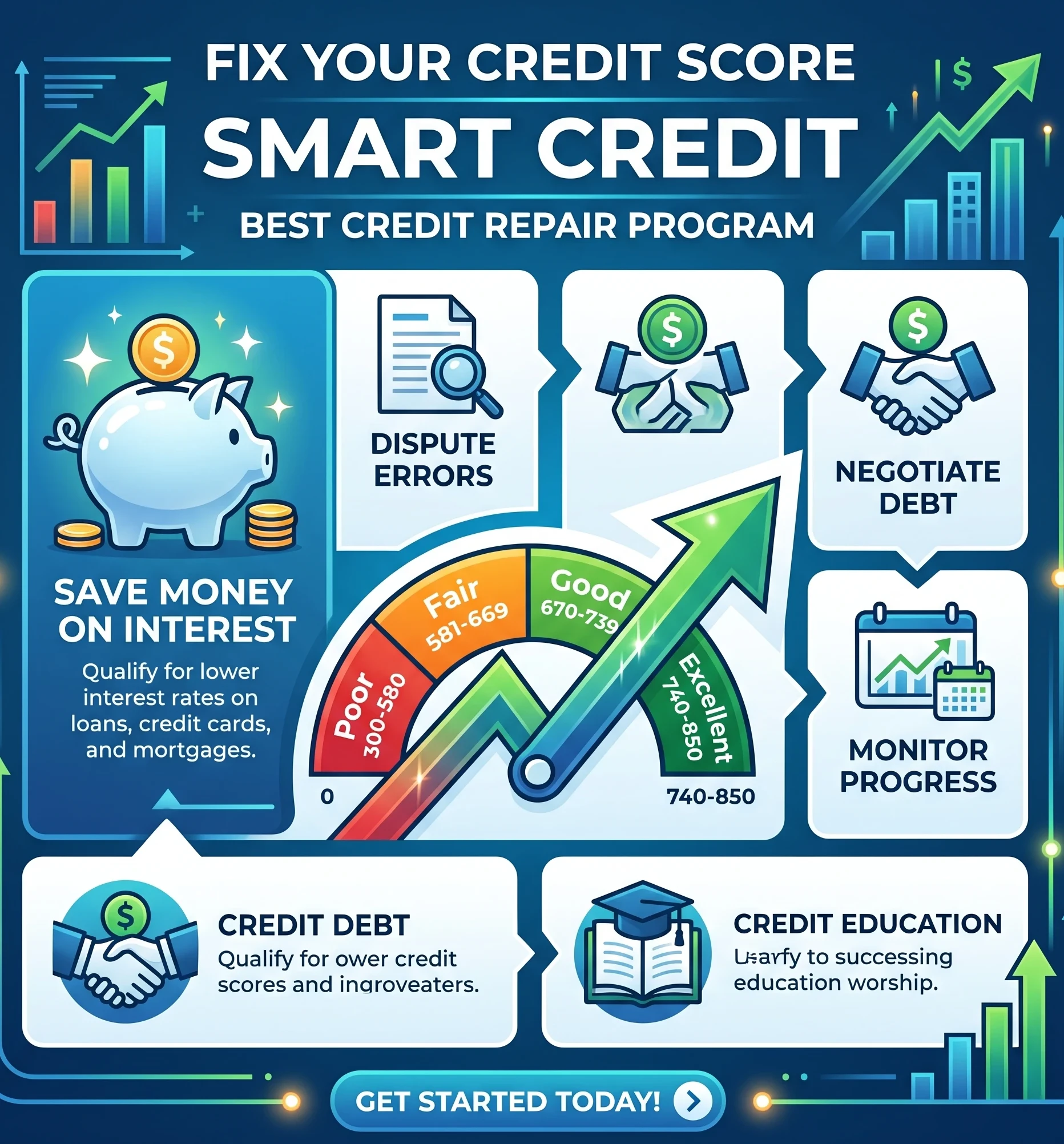
Among the services, Smart Credit is often highlighted for its distinctive approach, offering a user-friendly interface combined with strategic tools for managing credit. It’s designed for those who want to stay proactive about their credit health without solely relying on third parties.
Before you commit, research is crucial. Look for reviews and testimonials to see how real customers have benefited. Understanding the specific services each company provides, whether it’s comprehensive credit management or laser-focused dispute resolution, can be the deciding factor in getting your credit back on track.
Importance of Accurate Credit Reports: The Role of Credit Bureaus
Credit reports serve as your financial resume, detailing your borrowing and payment history. Ensuring these reports are accurate is crucial for building a positive credit score. Mistakes or outdated information can lead to unnecessary headaches and financial losses, especially when applying for loans or mortgages.
These reports are maintained by three major credit bureaus: TransUnion, Equifax, and Experian. Each bureau collects data independently of the others, which means discrepancies can occur between reports. It’s essential to request and review your reports from all three agencies regularly. This way, you can catch errors or fraudulent activity before they negatively impact your score.
Errors on your credit report, like wrong balances or accounts that don’t belong to you, can lower your score significantly. If you spot an error, report it immediately using the dispute resolution processes provided by the bureaus. They’re obligated by law to investigate and respond to complaints, usually within 30 days.
Monitoring services can simplify this investigation process by alerting you to any changes or issues. They also provide insights into how potential changes could impact your credit score, such as adding a new credit card or paying off a loan.
Remember, maintaining accurate credit reports can help you manage your credit effectively, ensuring that past mistakes or errors by others don’t hinder your financial plans.
Choosing the Right Credit Repair Service
Navigating the credit repair landscape can be tricky, with many services promising the moon. Picking the right one is key, and it starts with understanding what constitutes a legitimate and effective service. Look for companies that offer transparent pricing, clear service agreements, and a track record of client success stories.
Red flags to watch for include services that demand upfront payments or make extravagant promises like eradicating every negative item from your credit report. No one can legally remove accurate information or guarantee specific results, so be wary of any company making such claims.
Success stories from past clients can provide insight into a company’s effectiveness. Inquire if they offer testimonials or case studies depicting real-life applications of their services. This can give you a sense of whether the credit repair strategies employed could work for your unique situation.
When evaluating potential services, consider how well they align with E-E-A-T principles—that is, expertise, experience, authoritativeness, and trustworthiness. Reliable credit repair companies will have extensive experience and credentials in the financial sector, plus they should inspire confidence through positive client feedback.
Ultimately, your confidence in a service should stem from its proven ability to deliver on its promises, fostering trust through clear communication and tangible outcomes.
Optimize Your Mortgage Approval Chances
Your credit score can significantly influence the terms of your mortgage. A better score could mean lower interest rates, which translates to saving thousands over the life of the loan. That’s why it’s essential to tidy up your credit before sitting down with mortgage lenders.
When lenders review your mortgage application, they’re essentially assessing the risk involved in lending to you. A high credit score suggests you’re a low-risk borrower, making them more likely to offer favorable conditions. This underscores the benefits of proactive credit management, getting your financial ducks in a row well in advance of applying.
Boosting your credit score before applying involves systematically addressing weaknesses in your financial profile. If your score is on the border of approval, even small improvements can push you into a better loan category. Consider focusing on reducing outstanding debts and steering clear of any new credit inquiries for a period before application.
Creditworthiness affects not just the rate you’ll pay but also your loan approval odds. Being prepared with a robust credit score not only enhances these chances but also positions you to negotiate better loan terms. In line with this, utilizing credit tools like ‘Score Boost’ can provide targeted assistance in optimizing your score points.
Remember, securing a mortgage isn’t just about getting the green light; it’s about getting the best possible deal. Preparation is your ally here, ensuring you enter negotiations armed with a credit score that reflects your financial reliability.
Top Tips for Maintaining a Healthy Credit Score
Keeping your credit score in good shape requires ongoing attention and smart financial habits. It’s not just about one-time fixes but creating a sustainable approach to managing your credit.
Start by continuing the habit of paying your bills on time, sticking to payment schedules, or setting up automatic payments. Avoiding late payments is a consistent way to maintain your credit health.
Your credit utilization ratio is another critical factor. Regularly paying down your credit card balances and avoiding maxing out card limits can positively influence this ratio. Ideally, keep your utilization low to sustain a tidy score.
Monitoring your credit is vital in catching any discrepancies early. Regularly checking your credit reports for errors ensures that you maintain accuracy, which in turn supports your credit score over time. Services that offer predictive analytics can also help you understand potential future impacts of your financial actions.
Stay informed with tools like ‘Score Boost’, which give insights into how current activities affect your score. This proactive approach helps in preempting any unintended credit score dips, allowing for timely corrective measures.
Education is part of credit maintenance. Stay updated on trends and changes in the credit scoring system. This knowledge empowers you to make informed decisions continuously and adapt your strategies accordingly.
A healthy credit score isn’t just about maintaining a number; it’s about broader financial well-being, ensuring access to better financial products, and securing opportunities that come with a solid financial standing.
Get Started Today With Smart Credit!
Here’s a little transparency: Our website contains affiliate links. This means if you click and make a purchase, we may receive a small commission. Don’t worry, there’s no extra cost to you. It’s a simple way you can support our mission to bring you quality content.”